
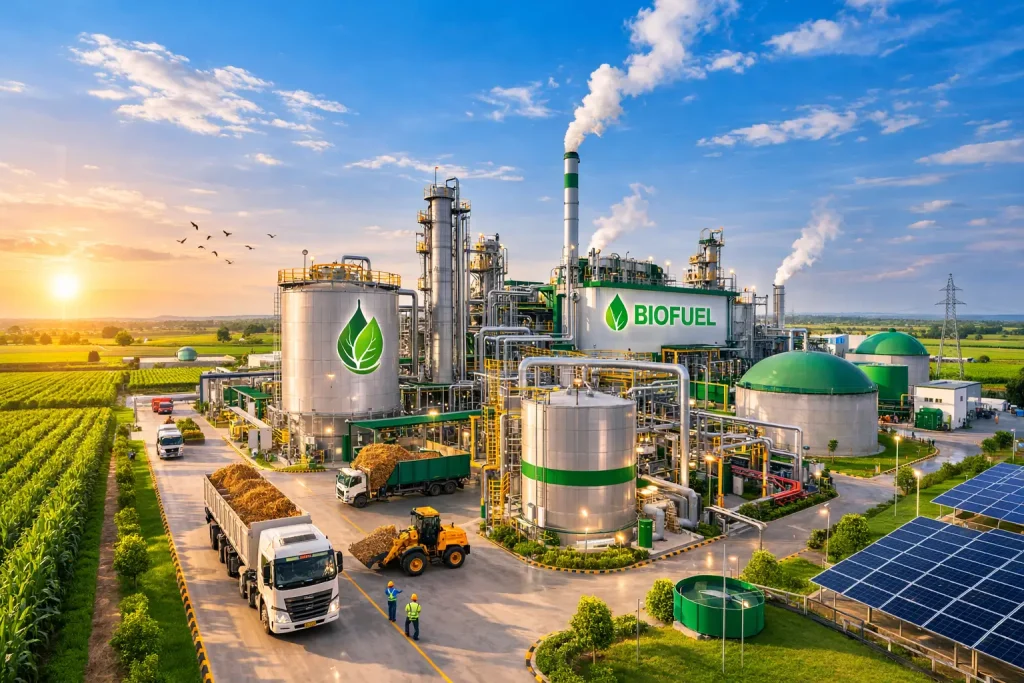
Green energy has become one of the most important solutions for addressing the global energy crisis and climate change. For decades, the world relied heavily on fossil fuels such as coal, oil, and natural gas to generate electricity and power industries. While these energy sources fueled economic growth, they also produced large amounts of greenhouse gases that contribute to global warming. Today, nations across the world are shifting toward renewable energy solutions that are cleaner, safer, and more sustainable. Green energy includes power generated from natural sources like sunlight, wind, water, and organic materials. These resources are continuously replenished by natural processes, making them far more sustainable than traditional fuels. Governments, industries, and communities are increasingly investing in renewable technologies to reduce carbon emissions and protect the environment. This shift represents a major transformation in how energy is produced and consumed, paving the way for a cleaner and more resilient global energy system.
One of the biggest advantages of green energy is its ability to reduce environmental pollution. Traditional power plants burn fossil fuels to generate electricity, releasing harmful gases such as carbon dioxide, sulfur dioxide, and nitrogen oxides into the atmosphere. These pollutants contribute to climate change, air pollution, and health problems for millions of people around the world. Renewable energy systems, on the other hand, generate power without producing these harmful emissions. Solar panels convert sunlight into electricity without burning fuel, while wind turbines use the natural movement of air to generate power. Hydropower plants produce electricity using the flow of water, and bioenergy systems convert organic waste into renewable fuel. By replacing fossil fuels with clean energy sources, societies can significantly reduce their environmental impact while maintaining reliable energy supplies for homes, industries, and transportation systems.