
Brick Kilns & Small Industries
- Home
- Brick Kilns & Small Industries
Brick Kilns & Small Industries
Brick kilns and small-scale industries play a vital role in local economies by providing employment and supporting infrastructure development. However, these industries often rely on traditional fuels such as coal, wood, or diesel, which contribute significantly to air pollution and environmental degradation. Biofuel presents a sustainable alternative that can help brick kilns and small industries operate more efficiently while reducing their environmental impact.
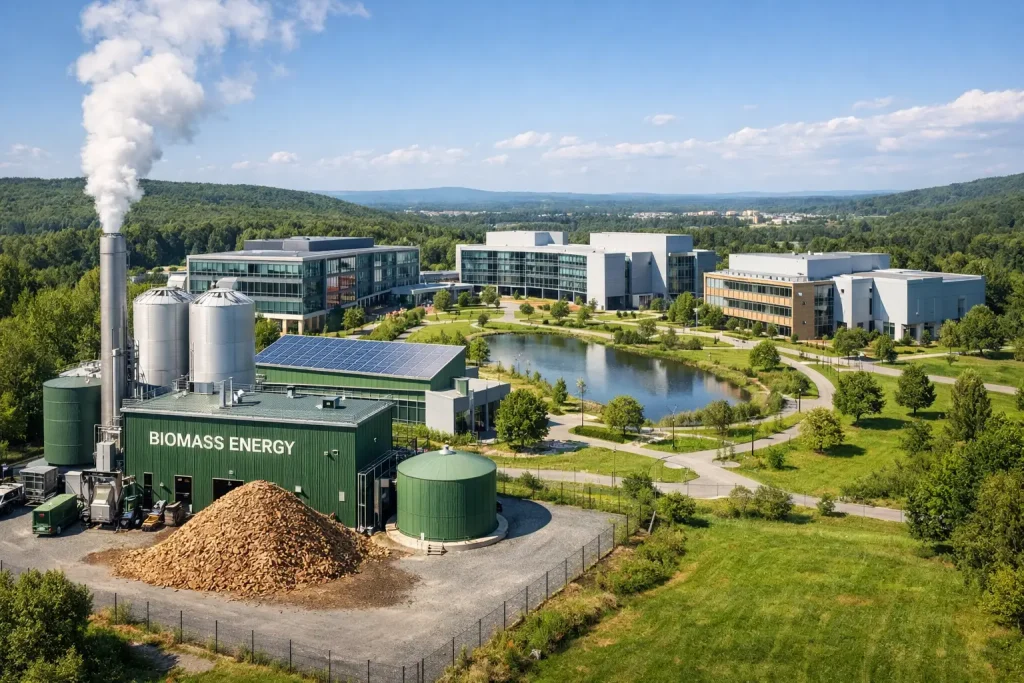
Biofuel is derived from renewable organic materials such as agricultural waste, crop residues, and biomass. These materials are converted into energy sources like biomass pellets, briquettes, or biogas that can be used as fuel for industrial heating processes. Brick kilns require high temperatures to bake clay bricks, and biomass fuels can effectively provide the required heat while producing fewer harmful emissions.
One of the key advantages of using biofuel in brick kilns is cost savings. Traditional fuels like coal can be expensive and subject to price volatility. Biomass fuels, especially when sourced locally, offer a more affordable and stable alternative. Small industries can reduce their operational costs significantly by switching to biofuel-based heating systems.
Environmental benefits are also substantial. Traditional brick kilns are known for emitting large amounts of smoke, particulate matter, and greenhouse gases. Biofuel combustion produces fewer pollutants and lower carbon emissions. By adopting biofuel, brick kilns can improve air quality in surrounding communities and reduce their environmental footprint.
Biofuel also promotes sustainable waste management. Agricultural residues that would otherwise be burned in fields or disposed of inefficiently can be collected and converted into biomass fuel. This not only reduces waste but also creates additional income opportunities for farmers and rural communities.
For small industries such as textile units, ceramic workshops, and metal processing facilities, biofuel can serve as a reliable energy source for heating and production processes. Modern biomass boilers and furnaces are designed to deliver consistent thermal energy with improved efficiency. These systems allow small industries to maintain stable production levels without relying on expensive fossil fuels.
Adopting biofuel technologies can also help industries comply with environmental regulations. Governments worldwide are implementing stricter emission standards to reduce industrial pollution. By transitioning to cleaner fuels, brick kilns and small industries can meet regulatory requirements while continuing their operations sustainably.
Furthermore, biofuel supports rural economic development by creating supply chains for biomass collection, processing, and distribution. This generates employment opportunities and strengthens local economies.
In conclusion, biofuel offers a practical and sustainable energy solution for brick kilns and small industries. By replacing traditional fuels with renewable biomass energy, these industries can reduce costs, minimize environmental impact, support rural communities, and improve operational efficiency.