
Domestic / Retail Consumers
- Home
- Domestic / Retail Consumers
Domestic / Retail Consumers
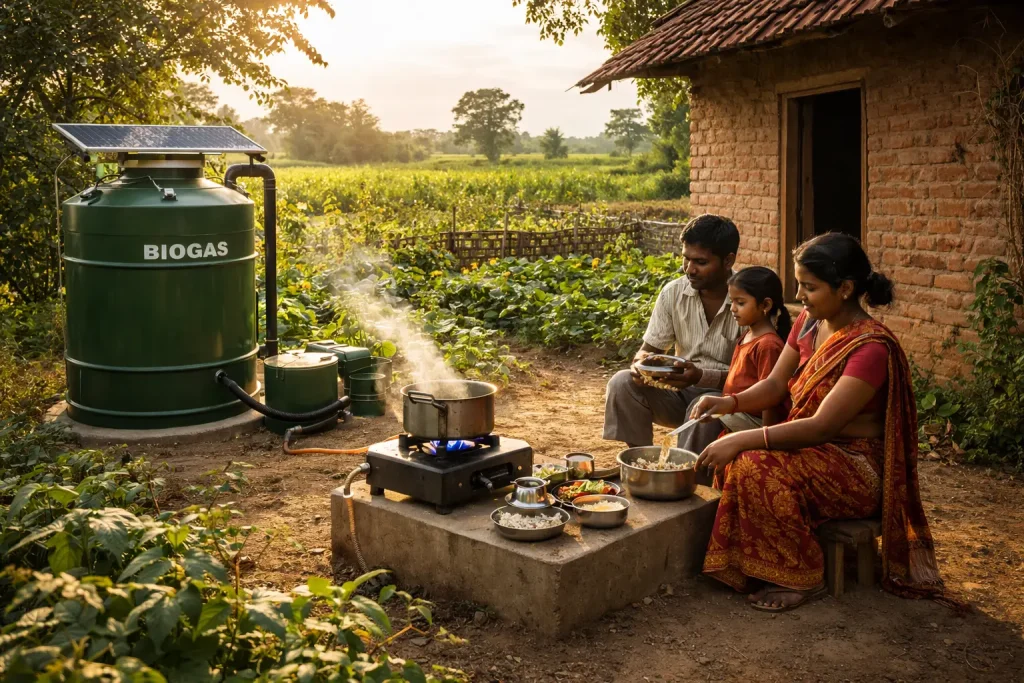
Domestic households and small retail businesses are important consumers of energy for everyday activities such as cooking, heating, lighting, and small-scale commercial operations. Traditionally, many households rely on fossil fuels such as LPG, kerosene, coal, or firewood to meet these energy needs. However, these fuels can be expensive, environmentally harmful, and sometimes difficult to access in rural areas. Biofuel provides a cleaner and more sustainable alternative for domestic and retail energy consumption.
Biofuel is produced from organic materials such as agricultural residues, kitchen waste, animal manure, and biodegradable biomass. Through various processes like anaerobic digestion and biomass conversion, these materials can be transformed into fuels such as biogas or biomass briquettes. These fuels can be used in household cooking stoves, heating systems, and small power generators.
One of the main benefits of biofuel for domestic consumers is affordability. Many households struggle with rising fuel costs, especially in rural or low-income communities. Biofuel systems allow families to generate energy using locally available organic waste materials. This reduces dependence on expensive commercial fuels and helps households save money over time.
Environmental benefits are also significant. Traditional cooking fuels like firewood and coal produce smoke and harmful emissions that can affect indoor air quality and human health. Biofuel, particularly biogas, burns more cleanly and produces fewer pollutants. This improves indoor air quality and reduces respiratory health risks for families.
Retail businesses such as small restaurants, food stalls, and local shops can also benefit from biofuel energy solutions. Biofuel stoves and heating systems provide reliable energy for cooking and other business operations. By adopting biofuel, small businesses can lower fuel expenses while maintaining efficient operations.
Biofuel systems also contribute to better waste management. Organic waste generated in households, markets, and food establishments can be collected and converted into bioenergy instead of being discarded. This reduces landfill waste and helps create a circular economy where waste materials become valuable energy resources.
In rural communities, biofuel technologies can significantly improve energy access. Many villages lack reliable electricity or fuel supply infrastructure. Small-scale biogas plants and biomass energy systems can provide local energy solutions that are both sustainable and affordable.
Government programs and renewable energy initiatives are increasingly supporting household biofuel adoption. Subsidies, training programs, and community energy projects are helping families install biogas units and biomass stoves. These initiatives promote sustainable energy practices while improving the quality of life in rural and urban communities.
In conclusion, biofuel offers households and retail consumers a practical and environmentally friendly energy alternative. By utilizing organic waste materials to produce clean energy, families and small businesses can reduce costs, improve health conditions, manage waste effectively, and contribute to a more sustainable future.